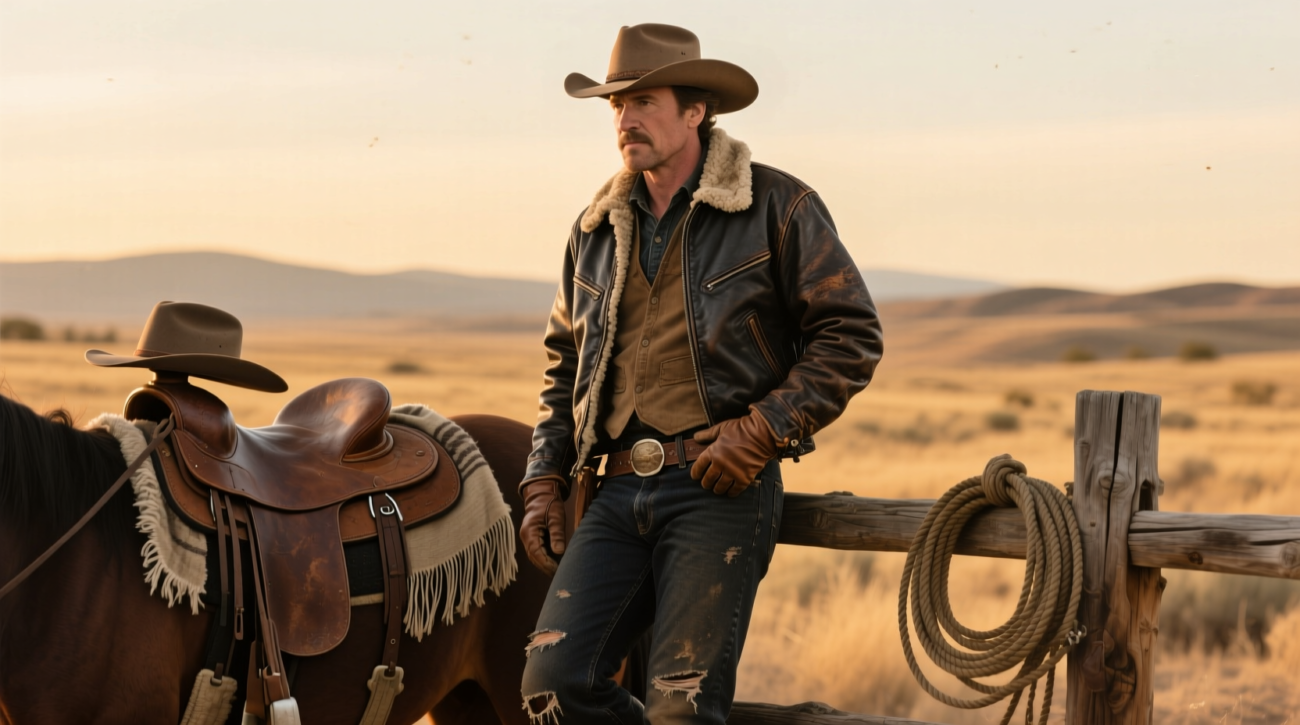
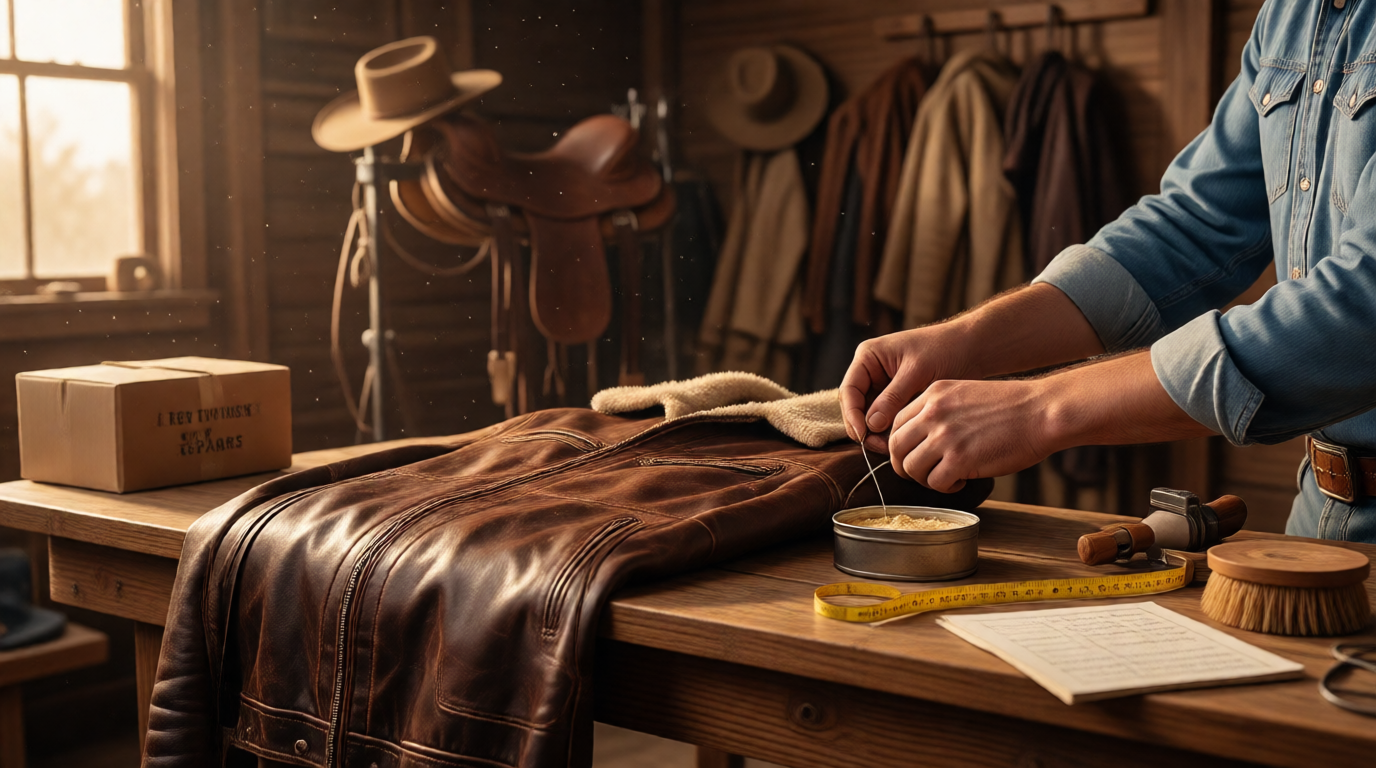
I’ll be straight with you: most “cowboy style” guides online are written by people who’ve never saddled a horse, mended a fence, or worn boots through a dusty sunset after a long day on the ranch. They’ll tell you to buy shiny, stiff boots that pinch your toes, or a frilly jacket that falls apart the first time it rains.
I’ve been in this world for over 15 years—riding, ranching, and yes, even attending rodeos in Nashville and Fort Worth. At cowboysjackets.com, we don’t sell costumes. We build western essentials that work in real life—whether you’re mending barbed wire at dawn, hitting a honky-tonk on Saturday night, or just want to look like you know your way around a saddle (even if you’ve never touched one).
This guide isn’t about trends. It’s about what lasts—in durability, in style, and in spirit.
Cowboy Jackets – The Core of Western Style
A true cowboy jacket isn’t just outerwear—it’s your second skin in the saddle, your shield against wind and rain, and your quiet statement of identity. Forget the polyester “western-inspired” knockoffs. Real cowboy jackets blend heritage craftsmanship with modern function.
Why it matters:
On the ranch, you need mobility and protection. In the city, you want subtle nods to tradition without looking like you stepped out of a theme park. The best cowboy jackets do both.
- Leather cowboy jackets (like our authentic cowboy jackets) offer unmatched durability. Full-grain steerhide breaks in like a well-worn saddle—getting better with age.
- Shearling-lined styles? Perfect for freezing mornings in Wyoming or Montana. They’re warm without bulk, and the wool lining wicks moisture—critical when you’re working hard.
- Denim and canvas ranch jackets are the unsung heroes. Light enough for spring branding season, tough enough for brush-clearing, and they pair seamlessly with jeans and boots.
Pro tip: If you’re buying online, check the sleeve gussets and underarm vents. Real ranch wear moves with you—cheap imitations restrict motion after 10 minutes.
And if you lean toward modern city life but love the aesthetic, look for clean lines, minimal embroidery, and a tailored (not boxy) fit. That’s where our Western Cowboy Jackets for men strike the balance—heritage look, contemporary cut.
Cowboy Boots – Where Western Style Meets the Ground
Let’s clear this up: cowboy boots aren’t fashion shoes. They’re engineered tools. The angled heel keeps your foot from slipping through the stirrup. The tall shaft protects your calf from brush, snakes, and rope burns. The pointed toe? It slides easily into stirrups—nothing to do with “looking cool.”
But that doesn’t mean they can’t be cool.
What beginners get wrong:
Buying boots based on looks alone. Square-toe boots might be trendy, but if you’ve got narrow feet, they’ll feel like boats. Snip-toe? Sleek, but not always stable for all-day wear.
What works in real life:
- Leather quality is everything. Vegetable-tanned leather molds to your foot; chrome-tanned looks shiny but cracks faster.
- Insoles matter more than you think. A good boot has a cork footbed that compresses over time—custom-molding to your arch. Skip the $99 “western-style” boots with flat foam insoles. Your feet will thank you.
- Heel height: 1.5 inches is the sweet spot—stable for walking, functional for riding.
We’ve tested over 30 brands. The ones that hold up? Hand-stitched soles, Goodyear welting, and leather that smells like it came from a real hide—not a chemical factory.
For everyday wear that doesn’t sacrifice authenticity, explore Classic cowboy boots built for the street and the stable. And yes—women’s boots have come a long way. Modern lasts accommodate narrower heels and higher arches without losing that iconic silhouette.
Cowboy Vests – Layering the Western Way
You don’t need a vest—but once you own one, you’ll wonder how you lived without it.
Vests solve a real problem: layering without overheating. On the ranch, mornings are cold, afternoons scorching. A vest gives you chest warmth while keeping your arms free to rope, lift, or drive a tractor. In town, it adds rugged texture to a flannel or tee—elevating your look without trying too hard.
Material breakdown:
- Leather cowboy vests are the gold standard—wind-resistant, ages beautifully, and develops a unique patina.
- Suede or shearling vests are softer, more casual, and perfect for fall festivals or bonfires.
- Denim or canvas work vests often include utility pockets—ideal if you carry pliers, a knife, or your phone.
Don’t: Wear a vest with a jacket that has a high collar—it bunches. Do: Leave the bottom button undone for ease of movement (a subtle nod to equestrian tradition).
For clean, versatile options that work from ranch to rooftop bar, check out our Western Cowboy Vests—all cut for real torsos, not mannequins.
Cowboy Ponchos – Tradition, Warmth & Statement Style
Often overlooked, the cowboy poncho is a relic of Spanish vaquero culture—and one of the smartest cold-weather layers you can own.
Why? No sleeves = total freedom. Need to unhitch a trailer, swing a lariat, or reach into your truck bed? A poncho drapes, moves, and covers without binding. Plus, wool or heavy cotton repels light rain and traps heat like a blanket.
Modern versions—like our Cowboy Ponchos — blend traditional serape patterns with contemporary tailoring. Wear one over a denim shirt for a fall rodeo, or layer it under a leather jacket for unexpected depth.
They’re also surprisingly packable. Toss one in your saddlebag or truck cab—it’s your emergency warmth when the temperature drops faster than expected.
Cowboy Hats – Identity, Not an Accessory
If you take away one thing from this guide: a cowboy hat is not a prop.
It shields your eyes from sun, keeps rain off your neck, and signals respect in western communities. The shape of the crown and brim isn’t random—it’s functional. A cattleman’s crease channels rain away. A wider brim? Better shade in open desert.
Choosing wisely:
- Felt hats (wool or beaver blend) are for cold months—water-resistant, warm, and moldable to your head.
- Straw hats breathe in summer but offer less sun protection unless they have a tight weave.
- Fit is non-negotiable. A hat should sit snugly above your ears—not tight, not loose. If it blows off in a breeze, it’s the wrong size.
And please—don’t buy a “fashion” hat with glued-on feathers unless you’re headed to a music festival. For everyday wear that honors the culture, explore Classic Cowboy Hats made by hatters who’ve been in the trade for generations.
Western Fringe Jackets – Movement, History & Western Attitude
Fringe isn’t just decoration. On the trail, it helped shed rain off buckskin shirts and jackets—function born from necessity. Today, it adds kinetic energy to your silhouette: every step makes the fringe sway, catching light and attention.
Wearing it right:
- Real fringe moves. If it’s stiff or glued flat, it’s costume-grade. Authentic fringe is cut from the same hide and hangs naturally.
- Pair minimally. Fringe + heavy embroidery + rhinestones = too much. Let the jacket speak; keep the rest of your outfit clean (dark jeans, plain boots, simple belt).
- Best for: Festivals, concerts, cool-weather evenings—but also surprisingly effective as a statement piece over a turtleneck in urban settings.
Our western fringe jackets are cut from supple lambskin or goatskin—light enough to wear year-round, with fringe that flows, not flaps.